
Pennsylvania Background Check Records
Pennsylvania background check records are maintained by the Pennsylvania State Police and accessible through several official state systems. The primary tool for criminal history searches is the PATCH system, which lets individuals and organizations request records online. Courts across all 67 counties also make case records available through the UJS Portal. Whether you need a standard criminal record search or a specialized clearance for child-serving work, Pennsylvania provides structured pathways to obtain the records you need.
Pennsylvania Background Check Quick Facts
The Pennsylvania PATCH System
The Pennsylvania State Police operates the Pennsylvania Access to Criminal History system, known as PATCH. This is the official channel for requesting criminal background check records in the Commonwealth. Anyone who needs a verified criminal history report must create an account and submit their request through the PATCH portal. Results are typically returned within 7 to 14 business days for standard requests, though some may take longer when a manual review is required.
PATCH covers records maintained by the Pennsylvania State Police Criminal History Unit, which serves as the central repository for criminal history record information (CHRI) throughout the state. The system processes requests from individuals seeking their own records, as well as from organizations that need to verify the background of others. All requests go through the same secure process to protect the accuracy and integrity of the data.
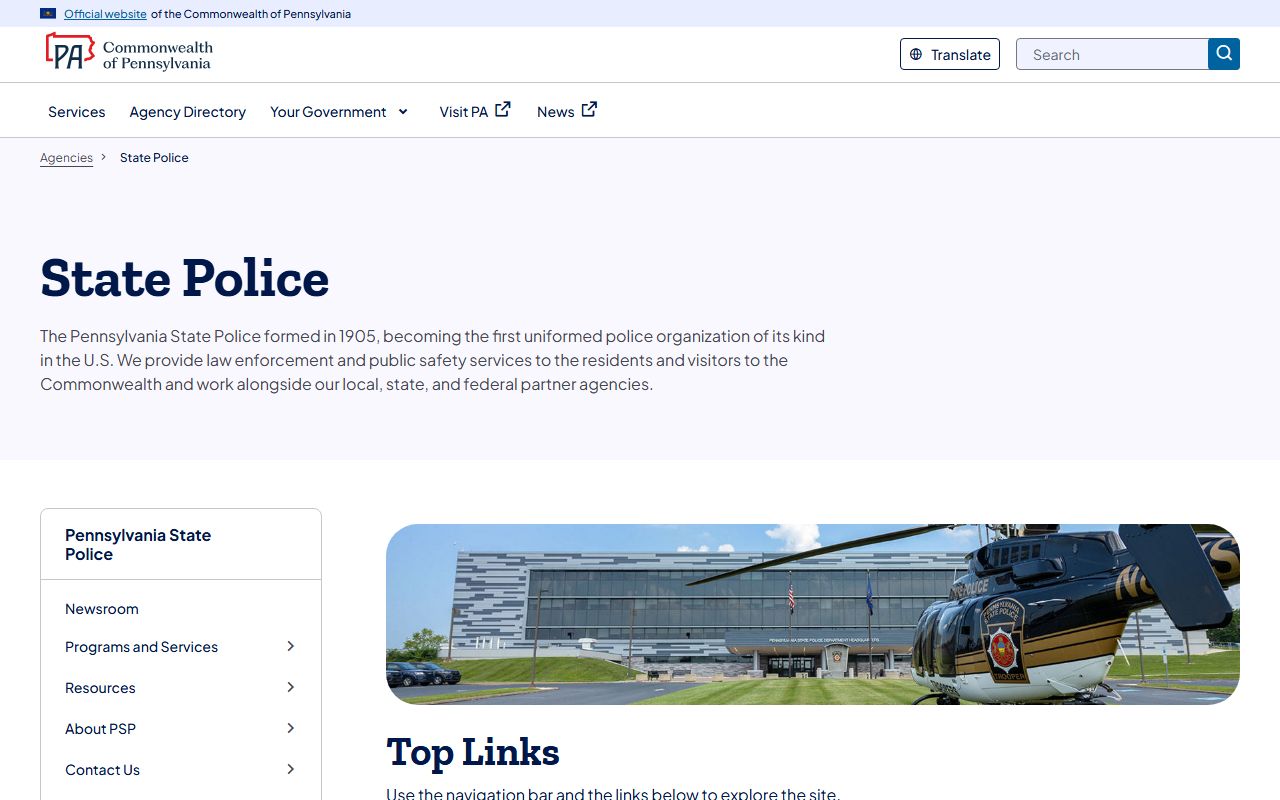
The PATCH system also processes FBI fingerprint-based criminal background checks for positions that require federal criminal history data. These checks are handled through authorized IDEMIA locations across Pennsylvania. They are required for school workers, childcare staff, healthcare professionals, and others who work with vulnerable populations.
Note: PATCH provides official criminal history records from the Pennsylvania State Police. Court docket searches from the UJS Portal are not a substitute for official PATCH results under Pennsylvania law.
Pennsylvania UJS Portal Criminal Record Search
The Unified Judicial System Portal gives the public free access to court docket sheets across all 67 Pennsylvania counties. Users can search by participant name, docket number, or police incident number. The system covers Magisterial District Courts, Courts of Common Pleas, and appellate courts. No login is required for basic searches.
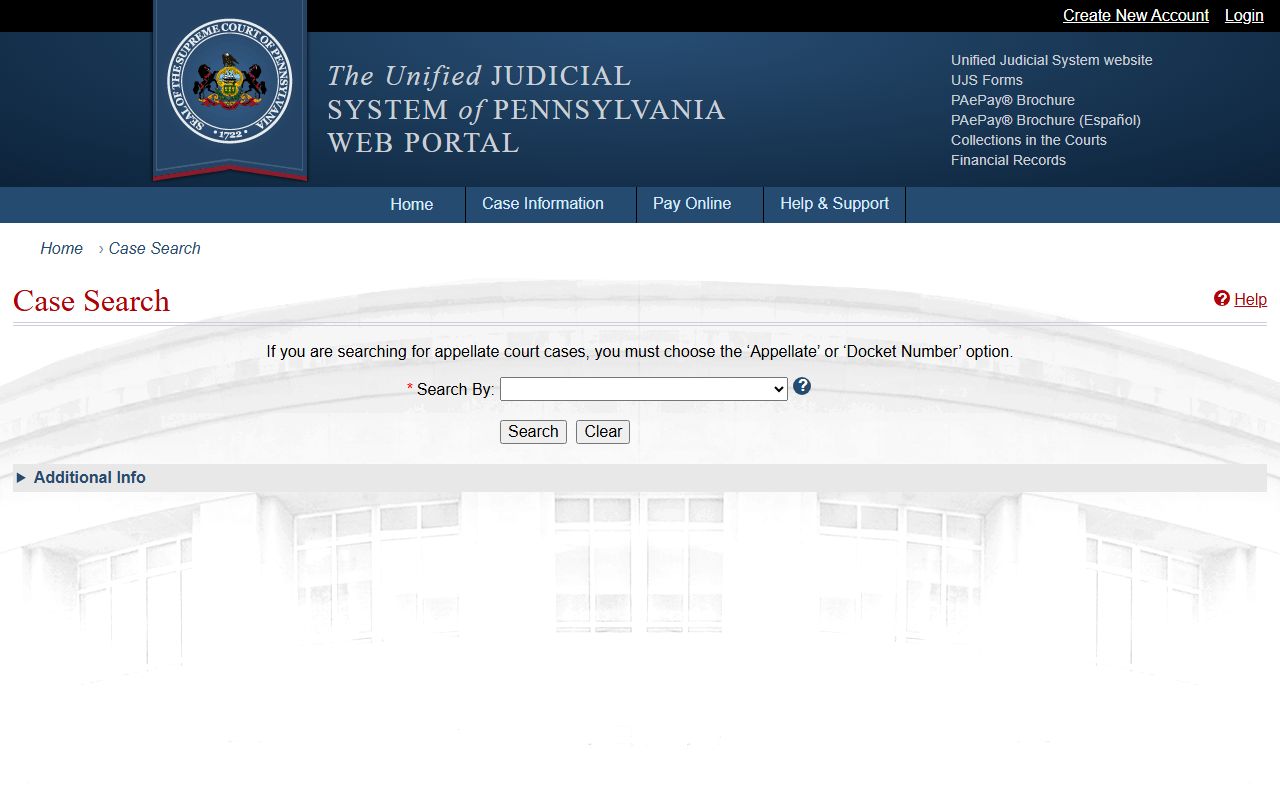
Each docket sheet shows the case number, filing date, charges by statute, presiding judge, bail information, hearing dates, plea entries, dispositions, and any appeals filed. The UJS Portal also offers the PAeDocket mobile app for iOS and Android, giving users a convenient way to look up case records from any device. Searching the portal requires only the last name and first name of the person you are looking for, and results can be filtered by court type, case category, case status, and filing date range.
The portal carries an important disclaimer: recent filings may not appear immediately, and the data should not replace an official criminal background check from the Pennsylvania State Police. Juvenile records and expunged records do not appear in UJS Portal results. Use the portal as a research tool, not as a final record verification source in Pennsylvania.
Pennsylvania Child Abuse Background Check Clearances
Pennsylvania requires a specific child abuse history clearance for anyone who works or volunteers in settings that involve direct contact with children. The Pennsylvania Department of Human Services administers this clearance through the COMPASS online portal. Applicants create an account and submit their request electronically. The clearance checks an applicant's name against the Pennsylvania Child Abuse History Registry, which tracks founded and indicated reports of child abuse.
Under Act 153 of 2014, child abuse clearances must be renewed every 60 months. The clearance costs $13 for volunteers and $22 for paid positions under the current DHS fee schedule. Results are typically available within 14 days of submission. Once issued, the clearance remains valid for five years, at which point a new request must be submitted through COMPASS.
The DHS also maintains the PA Safe Check system, which allows school administrators to review clearance results for up to five years. Under Act 4 of 2016, clearance results are stored in PA Safe Check, and applicants provide their UEID number so administrators can verify their status without needing a new submission for every position.
Three Required Pennsylvania Background Check Clearances
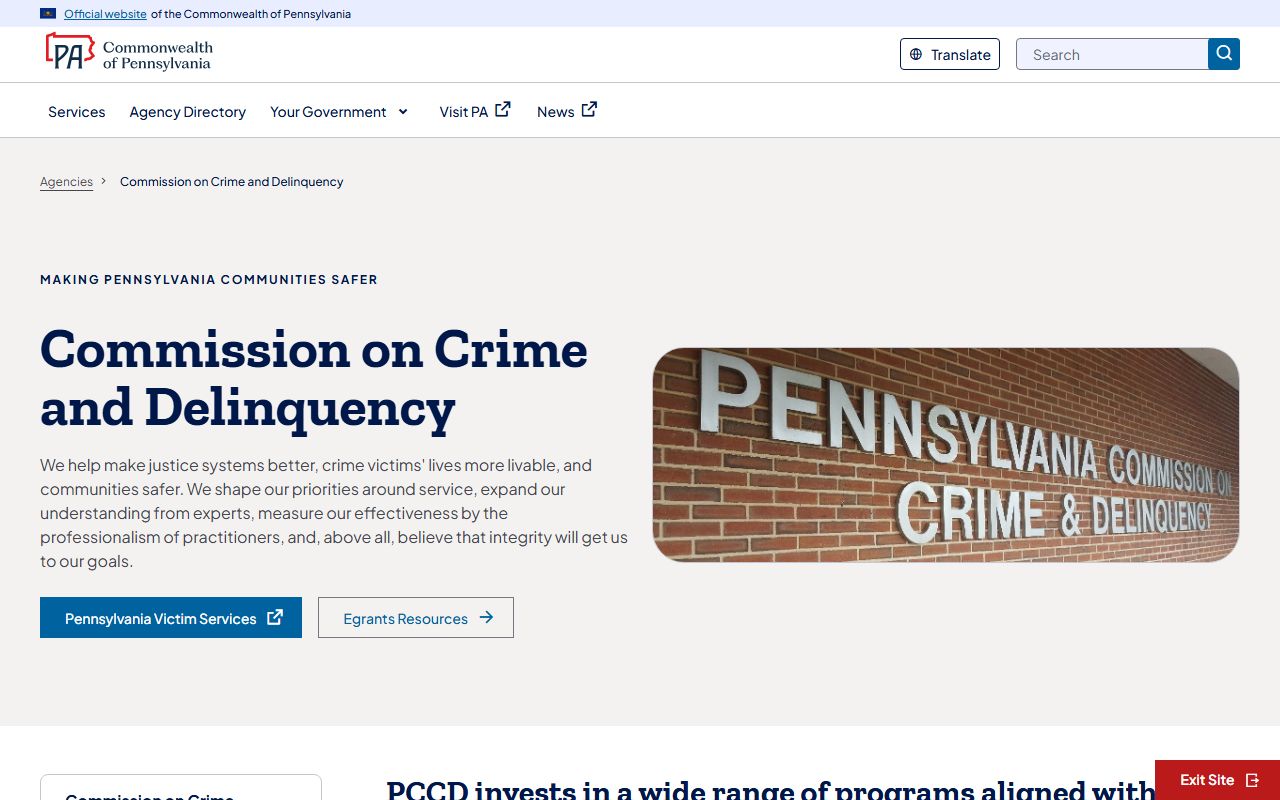
Pennsylvania law mandates three separate background check clearances for anyone who will have direct contact with children in a school, childcare, or youth-serving organization. Each clearance pulls from a different database. Together they provide a comprehensive picture of an individual's criminal and child abuse history. The Pennsylvania Commission on Crime and Delinquency coordinates policy compliance for organizations receiving state funds.
The three required clearances are:
- Pennsylvania State Police criminal history clearance through PATCH
- FBI fingerprint-based background check through IDEMIA (federal criminal records)
- DHS child abuse history clearance through the COMPASS portal
All three must be obtained before an individual begins work or supervised volunteering. PCCD provides technical assistance to nonprofits, schools, and human service agencies navigating these requirements. The Commission also publishes training materials and links to forms on its website. Act 153 of 2014 is the primary law governing these three-clearance requirements across Pennsylvania.
Note: First-time volunteers who have never been convicted of a crime may submit a signed statement in lieu of the PSP clearance under limited circumstances defined by Act 153.
Pennsylvania Education Background Check Requirements
The Pennsylvania Department of Education oversees background check requirements for teachers, student teachers, independent contractors, and volunteers under a series of state acts. The PDE clearances page at pa.gov/agencies/education details the laws and forms required under Act 24 of 2011, Act 82 of 2012, Act 153 of 2014, and Act 4 of 2016.
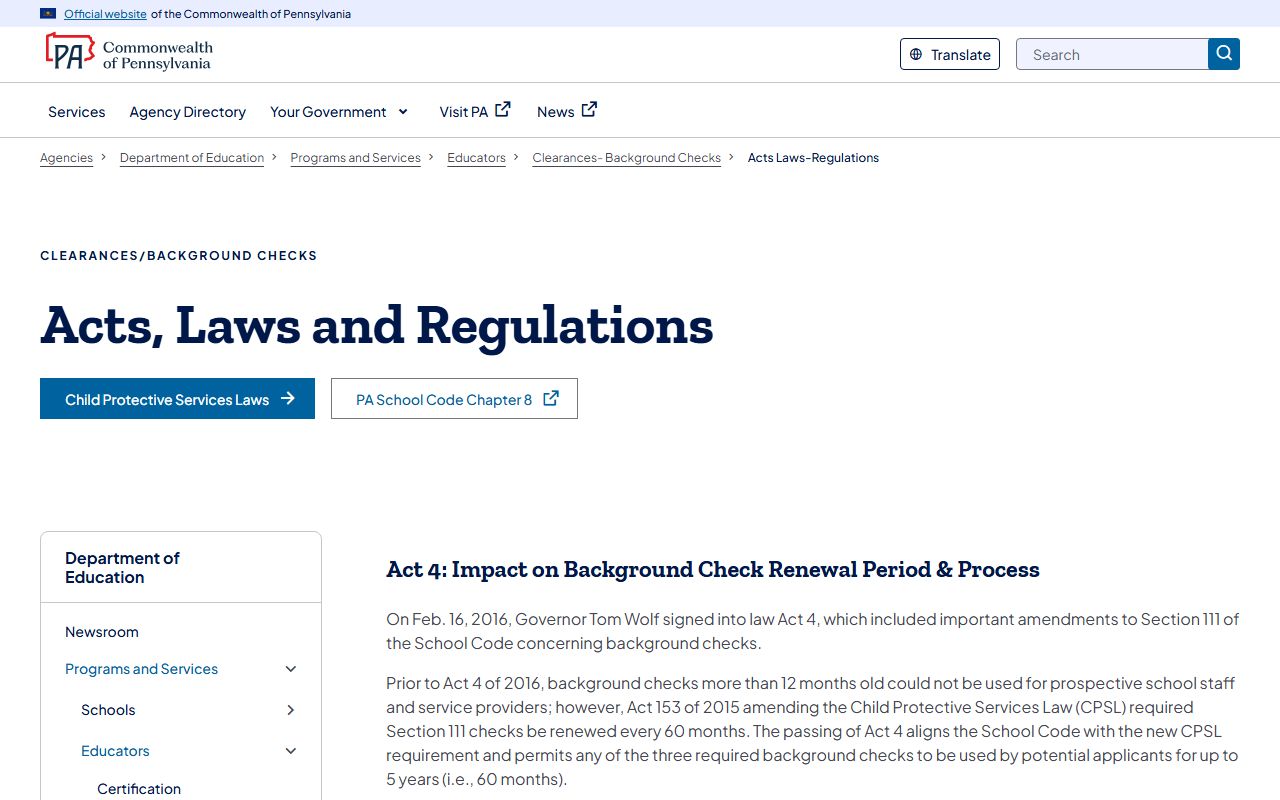
Act 24 of 2011 expanded the list of offenses that bar school employment. It also requires current employees to report arrests and convictions of Section 111(e) offenses to their employer within 72 hours using PDE Form 6004. Failure to submit this form triggers a mandatory new background check submission. Act 4 of 2016 extended clearance validity to 60 months, aligning the School Code with the Child Protective Services Law and establishing the PA Safe Check storage system.
Act 168 of 2014 added employment history review requirements. Schools cannot hire applicants until completing this review. PDE Form 6005 is used for the employment history review process. Administrators can find guidance through Basic Education Circulars published by the Pennsylvania Department of Education.
Pennsylvania Open Records and Background Searches
The Pennsylvania Office of Open Records administers the Right-to-Know Law (RTKL), which grants the public access to government records including certain criminal justice documents. Police blotters, incident reports, and arrest records are often available through RTKL requests to local law enforcement agencies. The OOR maintains an online appeal filing system for cases where an agency denies access.
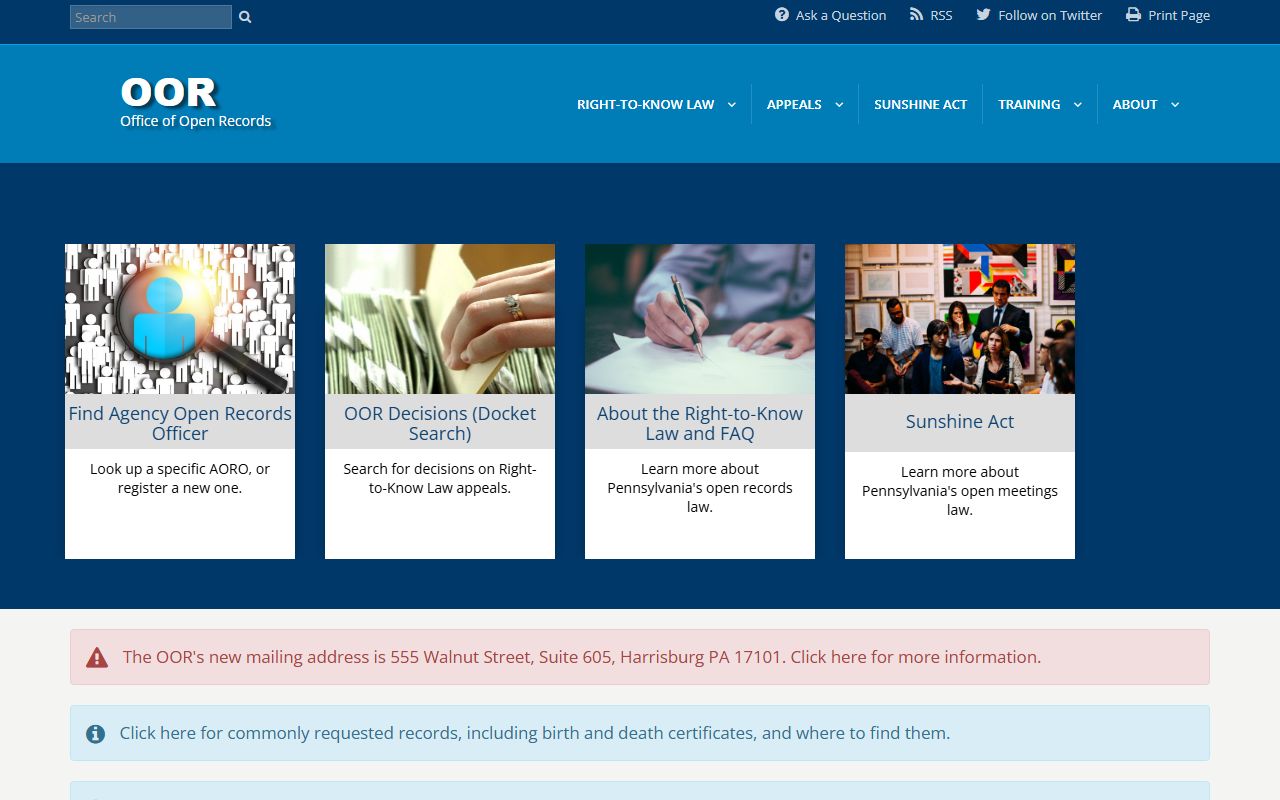
Under Section 708 of the RTKL, some law enforcement records are exempt from disclosure when they could compromise ongoing investigations or reveal confidential informant identities. However, many criminal court records and charging documents remain accessible. Recent OOR decisions have addressed access to police body camera footage, officer disciplinary records, and criminal complaint filings. These decisions help clarify what is available to the public as part of a broader criminal record search in Pennsylvania.
The OOR also runs a mediation program to resolve disputes without a formal appeal. Requesters can supplement official background checks with RTKL-obtained documents such as incident reports and charging papers. The Office publishes a Transparency Zone newsletter covering significant decisions that affect public access to records in Pennsylvania.
Note: RTKL requests for records that supplement background checks can be submitted directly to any Pennsylvania government agency through the OOR's online portal.
Pennsylvania State Archives Historical Criminal Records
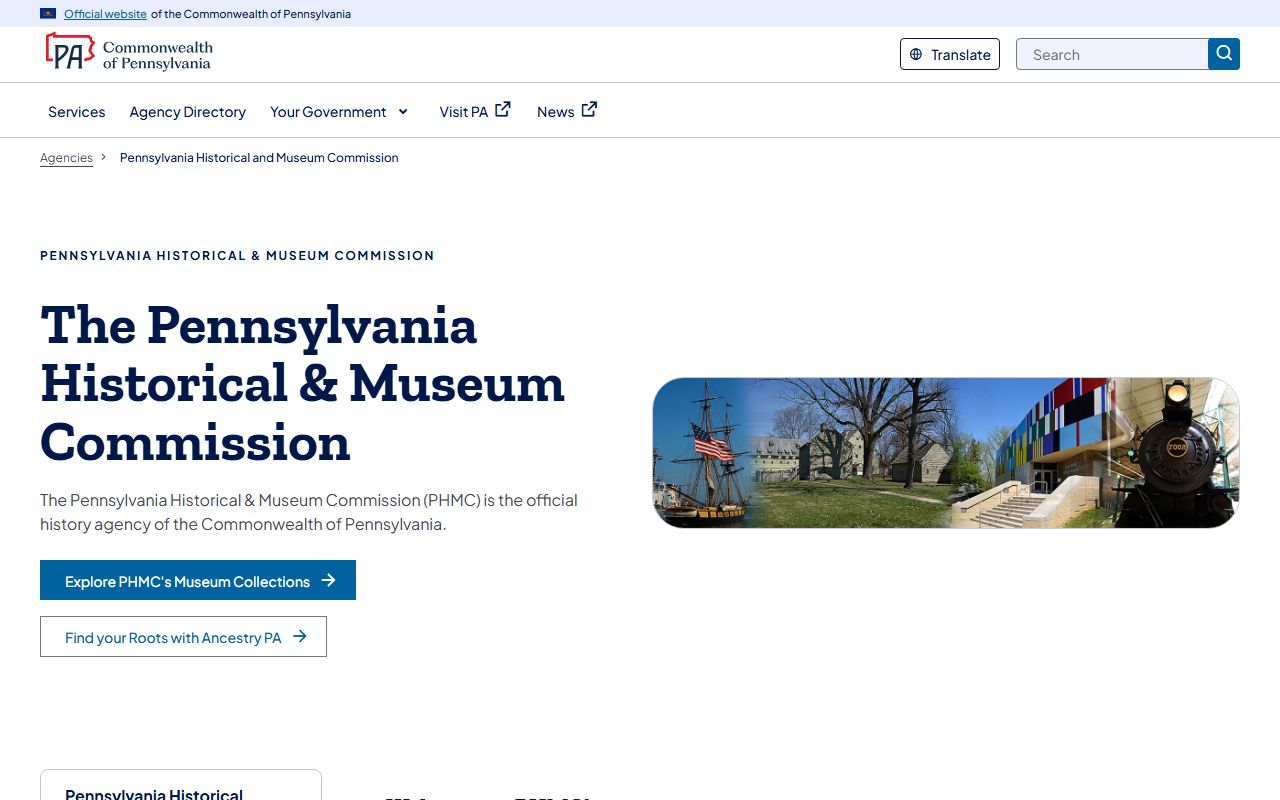
The Pennsylvania State Archives, administered by the Pennsylvania Historical and Museum Commission, holds historical criminal records that predate modern computerized systems. These include prison registers, court records, and pardon files dating as far back as the 18th century. The Archives maintains records from Eastern State Penitentiary, Western State Penitentiary, and various county prisons throughout Pennsylvania's history.
Researchers can access materials in person at the State Archives in Harrisburg or through interlibrary loan for microfilmed records. The Archives provides research guides for locating criminal justice materials and offers reference services for those who cannot visit. Certain records less than 75 years old containing personal identifying information may be restricted under privacy laws or donor agreements.
The Pennsylvania Board of Pardons files, including clemency applications and decisions dating to the early 19th century, are also held here. These records document the history of the state's approach to criminal justice and can be valuable for legal research, genealogy, and historical study of Pennsylvania criminal records.
Pennsylvania Professional Licensing Background Checks
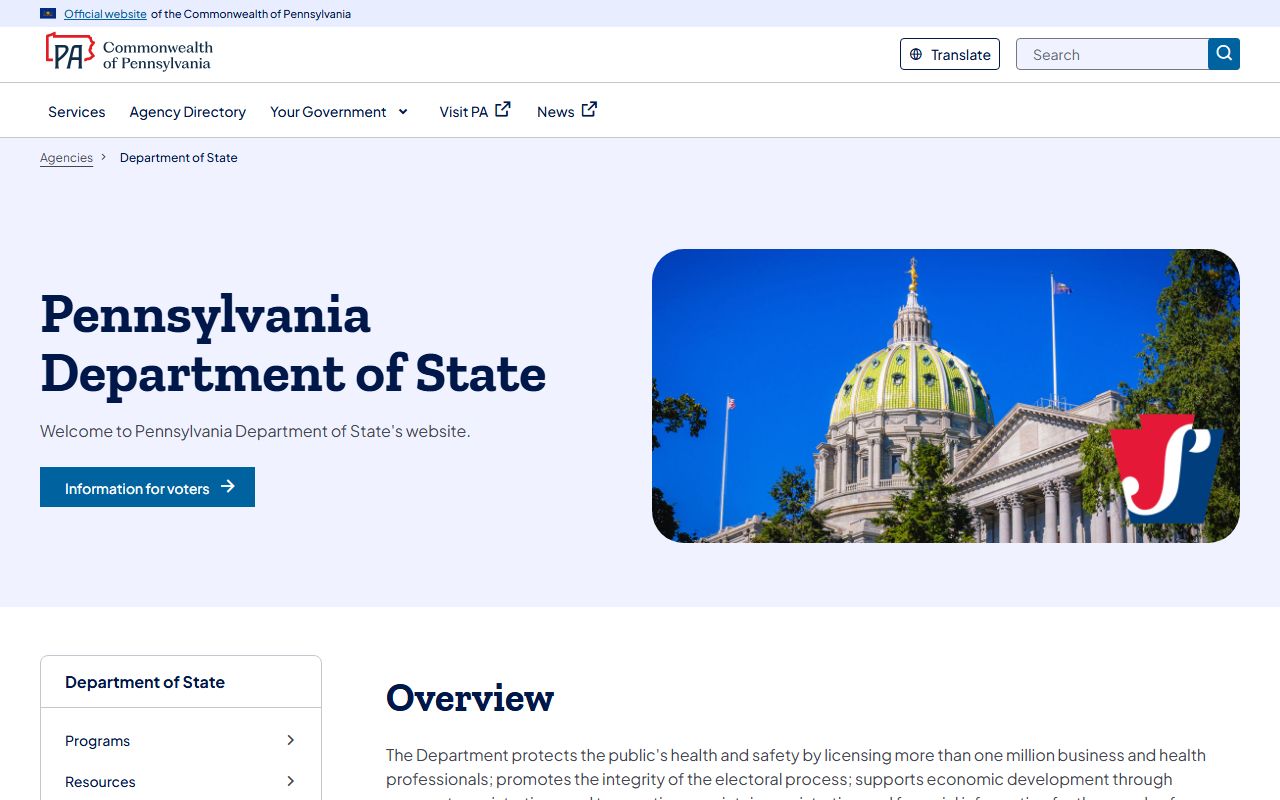
The Pennsylvania Department of State oversees professional licensing boards that require criminal background checks as a condition of licensure. Under Act 79 of 2024, healthcare practitioners must submit fingerprints to the Pennsylvania State Police for both state and federal criminal history checks before receiving a license. The PSP forwards results to the Department of State, which uses them solely to evaluate applicant eligibility.
Licensing boards consider criminal convictions on a case-by-case basis. They weigh the nature of the offense, time elapsed since conviction, evidence of rehabilitation, and the relationship between the offense and the licensed profession. The Department of State is prohibited from sharing fingerprint-based criminal history results with any outside entity, keeping the information strictly confidential within the licensing review process.
The Department must maintain policies that comply with the FBI's Criminal Justice Information Services Security Policy and all applicable federal and state laws on criminal history data. Under Title 52, Section 29.505 of the Pennsylvania Code, transportation carriers also face specific background check mandates, requiring criminal history records from the PSP for drivers and renewal every two years. Limousine and call-demand drivers face more extensive checks including multistate criminal records locators and review of the National Sex Offender Public Registry.
Pennsylvania Megan's Law Sex Offender Registry
The Pennsylvania State Police maintains the Megan's Law sex offender registry as a public safety resource. The registry includes information on Tier I, Tier II, and Tier III sexual offenders who are required to register under Pennsylvania's Sex Offender Registration and Notification Act (SORNA). Each tier reflects the severity of the underlying offense and the registration duration required.
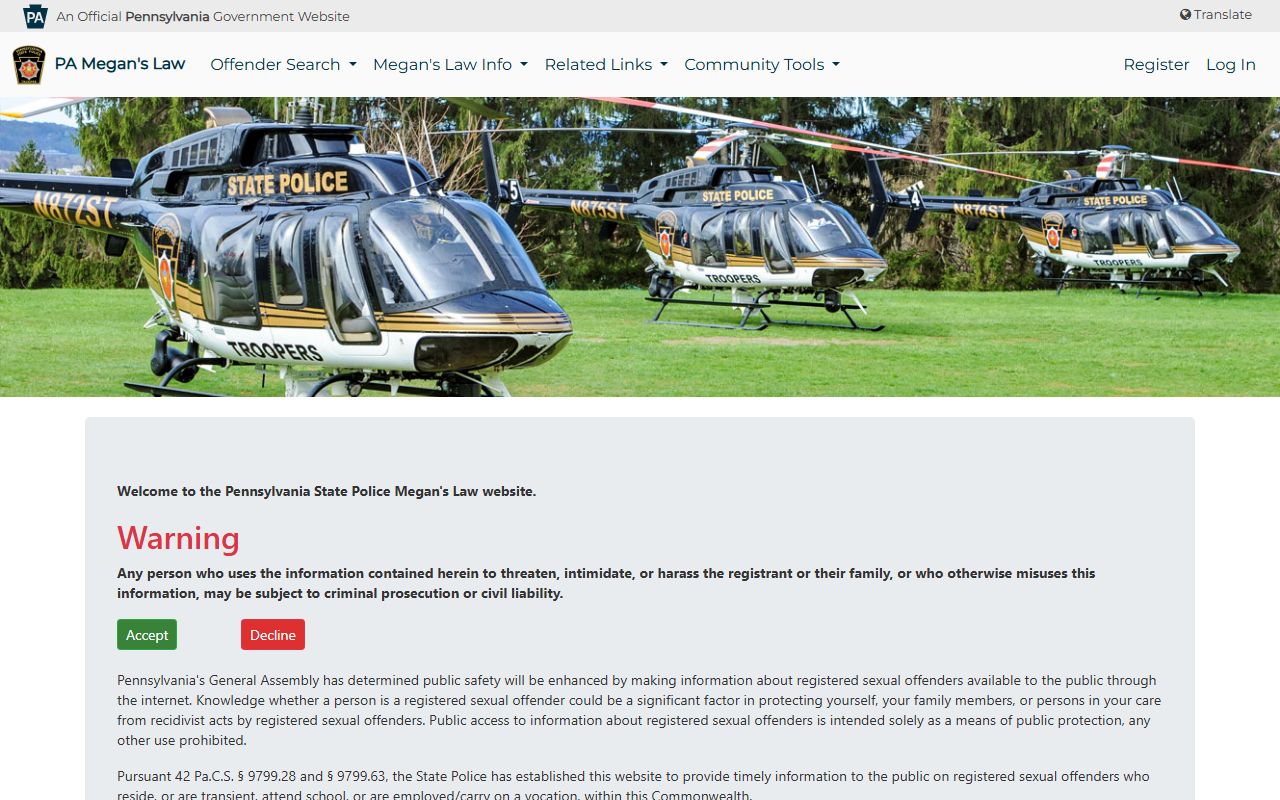
Anyone can search the registry without creating an account. You can search by name, county, municipality, or geographic radius. Results include the offender's name, photograph, address, employment information, offense history, and compliance status. The PSP updates the registry regularly based on registrations and compliance checks conducted by local law enforcement throughout Pennsylvania.
The registry also offers an email notification service. Users can sign up to receive alerts when a registered offender moves into a specified area. This makes the registry a practical tool for community awareness in Pennsylvania. Registry data alone is not a substitute for a full criminal background check. Always verify information through official channels before drawing conclusions about any individual's criminal history.
Note: The Megan's Law registry is a supplement to, not a replacement for, an official Pennsylvania background check through the PATCH system.
Pennsylvania Clean Slate Law and CHRIA
Pennsylvania's Clean Slate law, codified at 18 Pa.C.S. §9122.2, provides for the automatic sealing of qualifying misdemeanor convictions older than 10 years when all restitution orders have been satisfied. Once a record is sealed under the Clean Slate law, it will not appear in standard criminal history results through the PATCH system. This automatic process requires no petition from the individual, distinguishing it from Pennsylvania's traditional expungement procedures.
The law excludes certain serious offenses from automatic sealing. Violent felonies, sexual offenses, and crimes endangering children are not eligible. Law enforcement agencies and specific licensing boards may still access sealed records for official purposes. The Clean Slate provisions reflect Pennsylvania's recognition that older, minor offenses should not create permanent barriers to record searches that affect someone's life.
The broader framework governing criminal history record use in Pennsylvania is the Criminal History Record Information Act (CHRIA), codified at 18 Pa.C.S. §9101. CHRIA governs the collection, dissemination, and use of criminal history record information throughout the Commonwealth. Under 18 Pa.C.S. §9125, criminal conviction information may only be used when it directly relates to the reason for the records request. Civil liability under 18 Pa.C.S. §9183 applies when CHRIA is violated, with actual damages of not less than $100 per violation and punitive damages ranging from $1,000 to $10,000 for willful violations.
Pennsylvania Criminal Record Expungement Process
Expungement in Pennsylvania completely removes a record from the criminal history database. This is different from limited access under the Clean Slate law, which seals a record from public view but does not erase it. The Pennsylvania State Police processes expungement orders received from courts and coordinates with the FBI to remove records from national databases as well.
Qualifying circumstances for expungement in Pennsylvania include cases where charges were dismissed, the defendant was found not guilty, or the individual successfully completed an Accelerated Rehabilitative Disposition (ARD) program. The petition for expungement must be filed with the Court of Common Pleas in the county where the original case was heard. Once the PSP receives a certified copy of the court's expungement order, they follow specific procedures to complete the removal and notify other agencies.
DNA expungement is also available in Pennsylvania. It applies to individuals whose DNA was collected upon arrest or conviction but who later had charges dismissed, were acquitted, or had convictions reversed on appeal. The PSP coordinates with the Pennsylvania State Police Crime Laboratory to remove DNA profiles from the Combined DNA Index System (CODIS) when valid expungement orders are received. The Pennsylvania Justice Network (JNET) facilitates updates across connected agencies when records are expunged or sealed, though JNET is accessible only to authorized criminal justice agencies, not the general public.
Browse Pennsylvania Background Check Records by County
Each of Pennsylvania's 67 counties maintains background check records through its Court of Common Pleas. Select a county below to find local background check resources and contact information.
Background Check Resources by Pennsylvania City
Residents of major Pennsylvania cities access background check records through their county courthouse and the statewide PATCH system. Select a city below to find local resources.